

Chemical Peel Treatment in Jalandhar
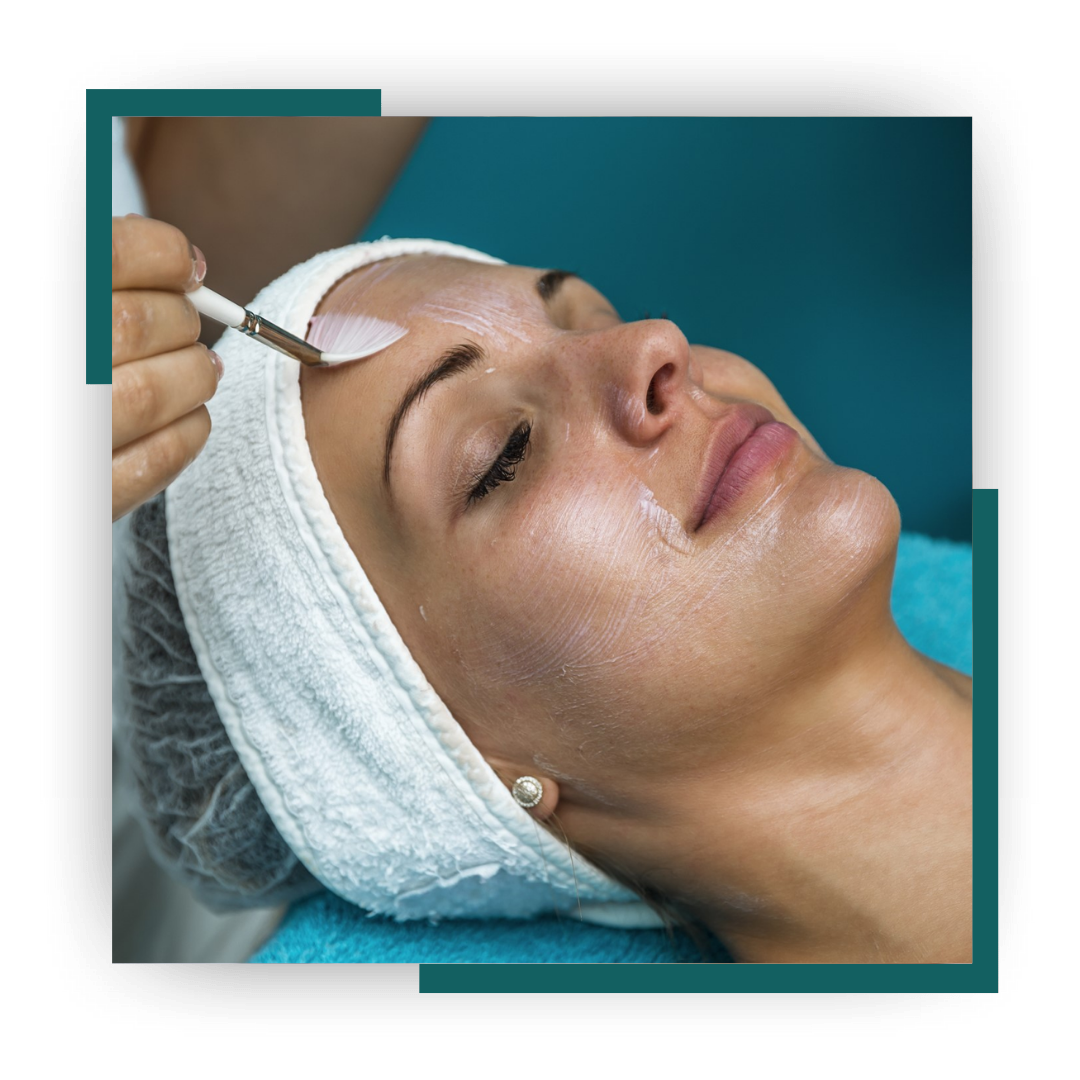
For a reliable chemical peel treatment in Jalandhar, Star Hospital is an excellent option. Star Hospital has certified and well-trained dermatologists. A chemical peel is a simple treatment offered by a dermatologist for dull, irregular, or acne-scarring skin. A gentle acidic solution is applied to the skin (face, neck, and/or hands). It will cause the top layer of skin to slough away over a few days. This exposes fresh, smoother skin underneath.
At Star Hospital, we will assess your skin prior to performing a chemical peel in Jalandhar. We will choose the correct chemical peel to treat your skin depending on your skin type, desired results, and your downtime. Not all peels will be beneficial for everyone. For example, if you have mild acne scarring, a different peel may be needed than if you have severe pigmentation.
Benefits of Chemical Peels
Here is the benefits of Chemical Peels:
- Improved skin tone – The top layer of damaged skin will be removed, exposing brighter, fresh skin. Many people will notice an improvement in their skin tone after a few sessions.
- Reduced breakouts – Salicylic acid-based peels work deep into the pores to clear out excess oil and debris. They are commonly used as part of acne treatments.
- Reduced scarring and blemishes – Certain peels can reduce post-acne scarring, sun damage, and some pigmentation. These work over time, so most people will need multiple sessions.
- Smoothing skin – Often, areas of rough skin, enlarged pores, and fine lines will improve.
- Improved skin absorption – Without the dead layer of skin, creams and serums will penetrate better. Products you currently use will generally work better.
- Quick treatment – Light peels will take around 20–30 minutes. Most people will be able to return to their usual activities the same day or the next day.
Types of Chemical Peels
There are 3 main types of peels; the deeper the peel, the more dramatic the results. However, there will be more downtime.
- Light (Superficial): These are very gentle peels that only target the top layer of the skin. Light acids are used; these may include glycolic acid, lactic acid, mandelic acid, or salicylic acid, or a low-strength TCA.
- These are great for oily/acne-prone skin, mild suntan, dullness, and early pigmentation. You may experience some slight redness and flaking for up to 7 days. As they are mild, results will be best achieved with multiple sessions, usually a few sessions every few weeks.
- Medium: These peels target the top layer of the mid-layer of skin. They are usually a higher-strength TCA but are sometimes mixed with another solution.
- These are suitable for deeper pigmentation, sun damage, visible fine lines, and moderate acne scarring. You can expect some redness, swelling, and flaking for around 1–2 weeks. Many people will plan some time off work. Sun protection will be necessary.
- Deep: These peels (usually phenol-based) work deeper into the skin and are useful for severe sun damage, deeper lines, and some scarring. They provide the most dramatic results; however, they come with the highest risk. Downtime can be several weeks, and your skin may appear pink for months. Due to this, they are used very rarely and only after a detailed assessment. They aren’t suitable for everyone, especially those with darker skin tones, as lightening and uneven skin tone may occur.
What to Expect
Prior: Your skin will be assessed by your doctor. You may be asked questions about your skin routine. You may be advised to stop using certain products (such as retinoids) a few days prior. Avoid waxing and harsh scrubs.
During: Your face will be cleansed. The solution will then be applied. You may feel a slight warm or tingling sensation. After a set time, your skin will be neutralised or removed.
Post: Your skin may feel tight. You may notice some pinkness. Peeling will usually start on day 2 or 3. Don’t pick or pull at the peeling skin, as this can cause scarring. Use a gentle cleanser, basic moisturiser, and a high-factor (SPF 30+) sunscreen every day, even when indoors near windows.